Clip-and-wedge vs spin-cap leveling systems
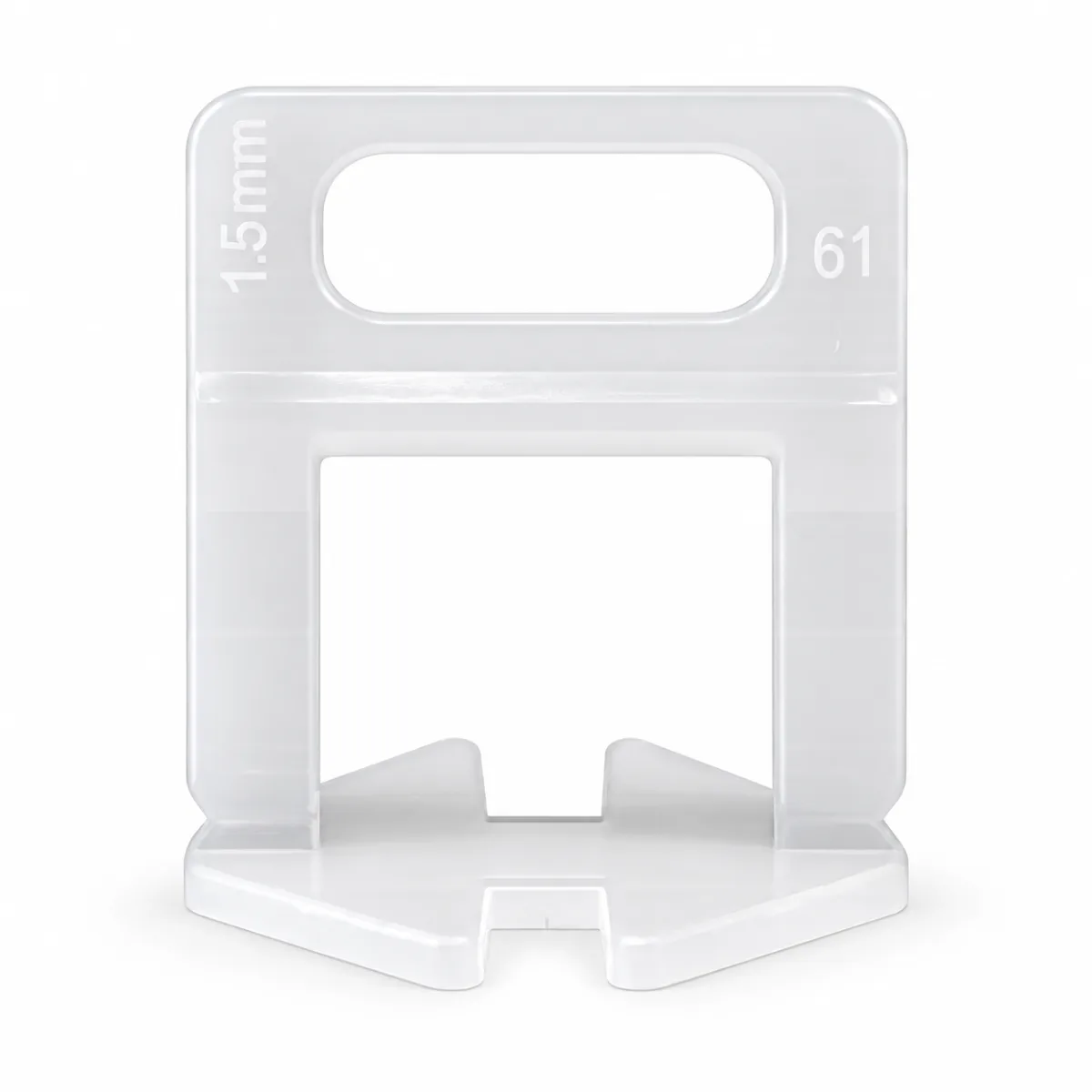
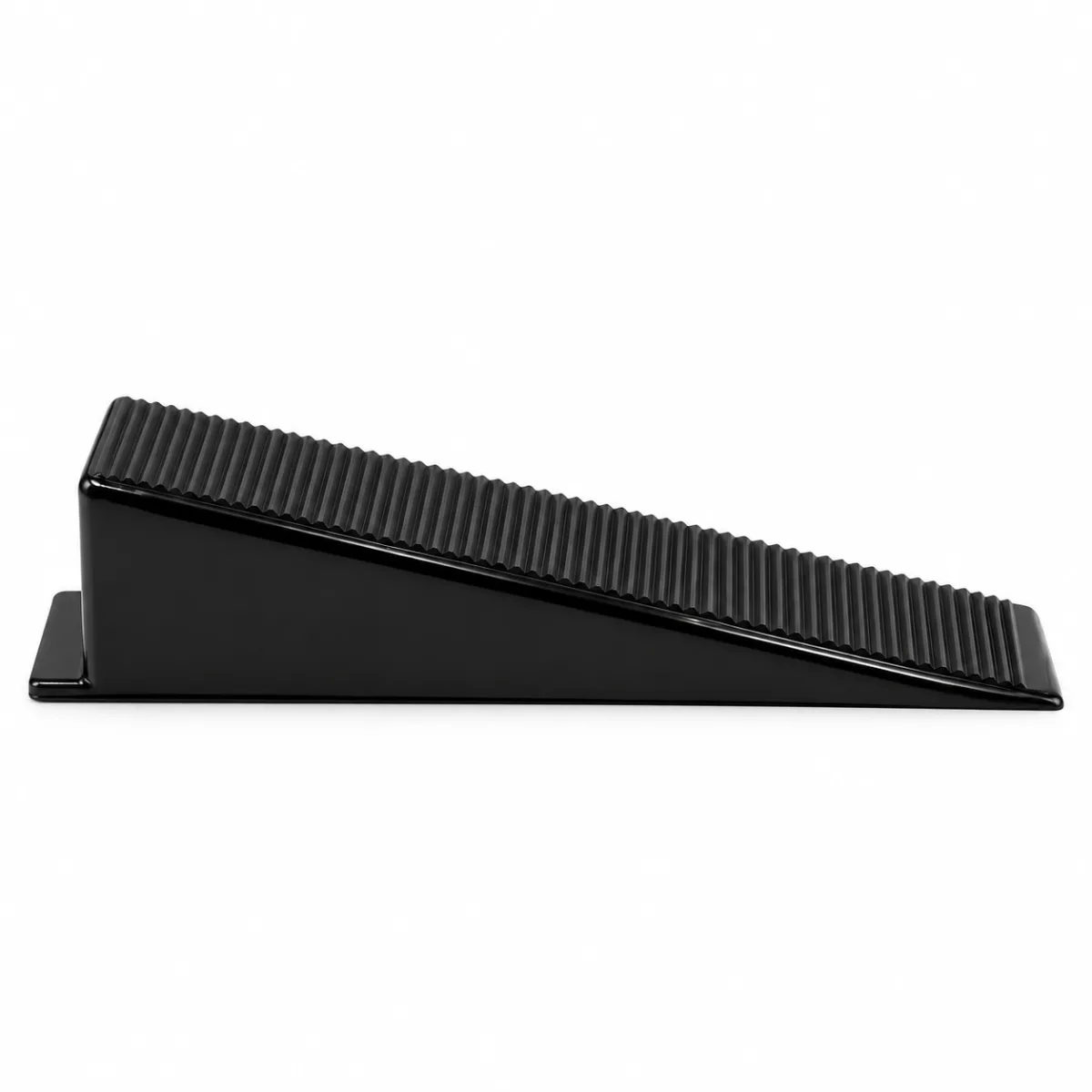
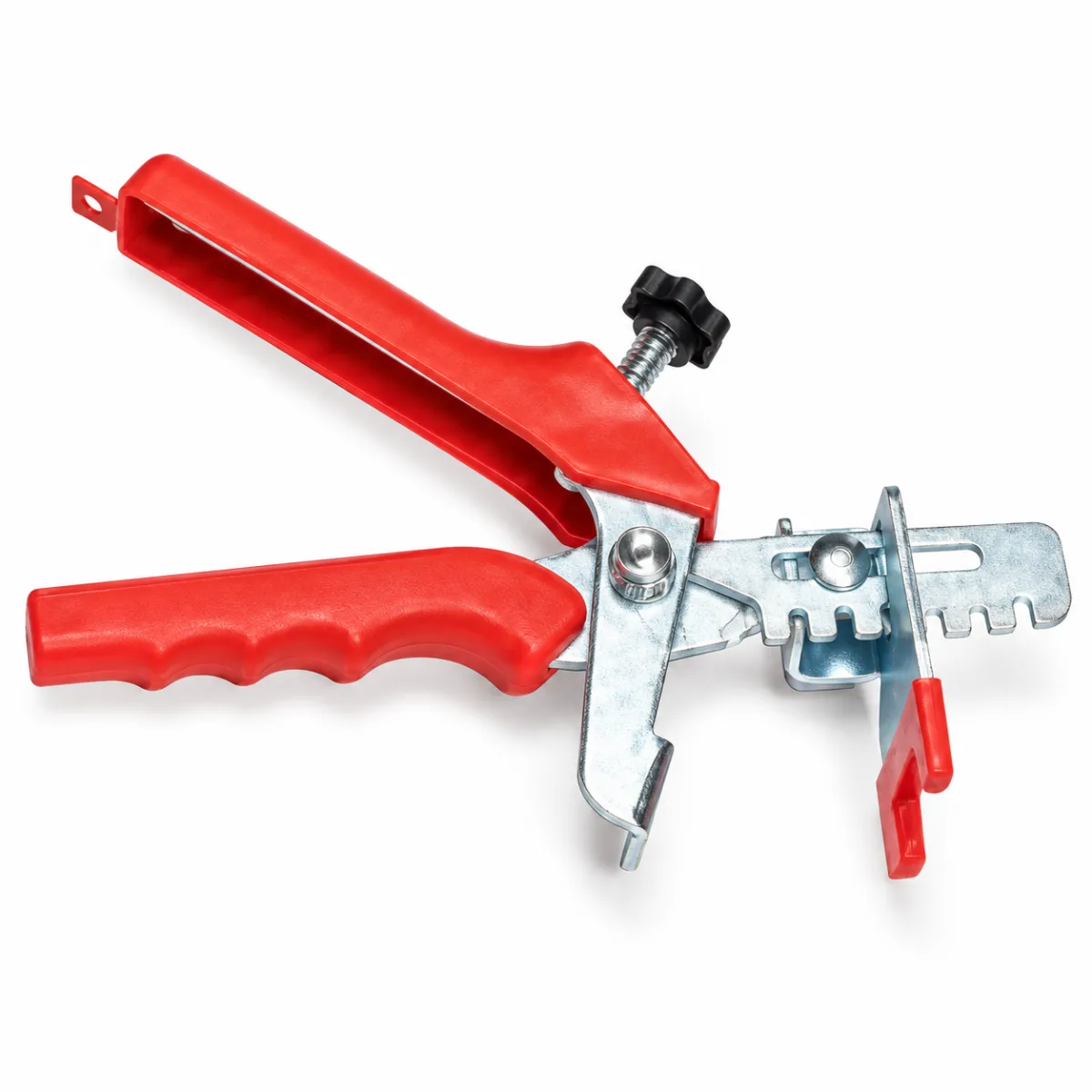
Both hold neighbouring tile edges flush while the thinset cures. A clip-and-wedge system uses a clip under the tile and a wedge pushed through it, tightened with a plier; it is fast on large floors and the clips are cheap. A spin-cap system uses a threaded post under the tile and a cap you screw down by hand; it needs no plier and gives fine control on thin or delicate tile. Clips and wedges suit most floors; spin caps suit small jobs and very thin porcelain.
Side by side
| Clip and wedge | Spin cap (screw) | |
|---|---|---|
| Under the tile | Flat clip base | Threaded post on a base |
| On top | Wedge through the clip | Cap screwed down the post |
| Tool | Leveling plier (optional, faster) | None; caps turn by hand |
| Reusable part | Wedges | Caps |
| Speed on big floors | Fast | Slower; each cap is turned |
| Removal | Knock the clip top off along the joint | Unscrew the cap, snap off the post |
How to choose
- Floors of 12×24 and up, and anything over a small bathroom: clip and wedge. It's quicker and the consumable part costs less.
- Very thin porcelain panels or delicate stone: either works; many setters like spin caps for fine control.
- Stick with one system per job, so every joint gets the same pressure.
We stock the clip-and-wedge system: Clip B clips in 1.5, 2.0 and 3.0 mm, Style 2 heavy wedges and pliers. The how-to guide walks through it step by step.
Frequently asked questions
Which tile leveling system is best?
There's no single best. Clip-and-wedge systems are faster and cheaper per joint on most floors; spin-cap systems need no tool and give fine control on thin tile.
Can I mix clip-and-wedge and spin-cap systems?
It's better not to on one floor, because they apply different pressure and set slightly different joint widths.