What are tile wedge spacers?
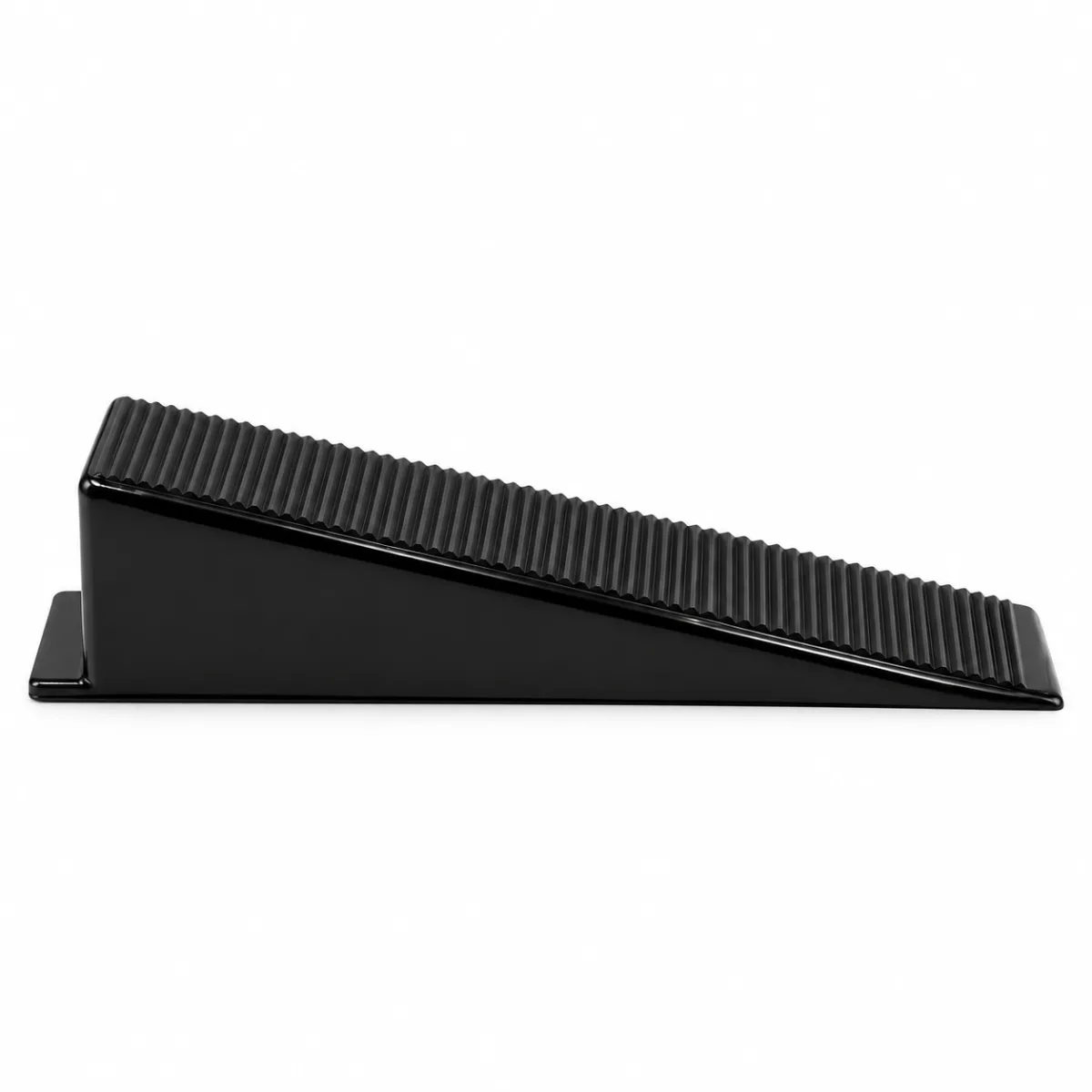
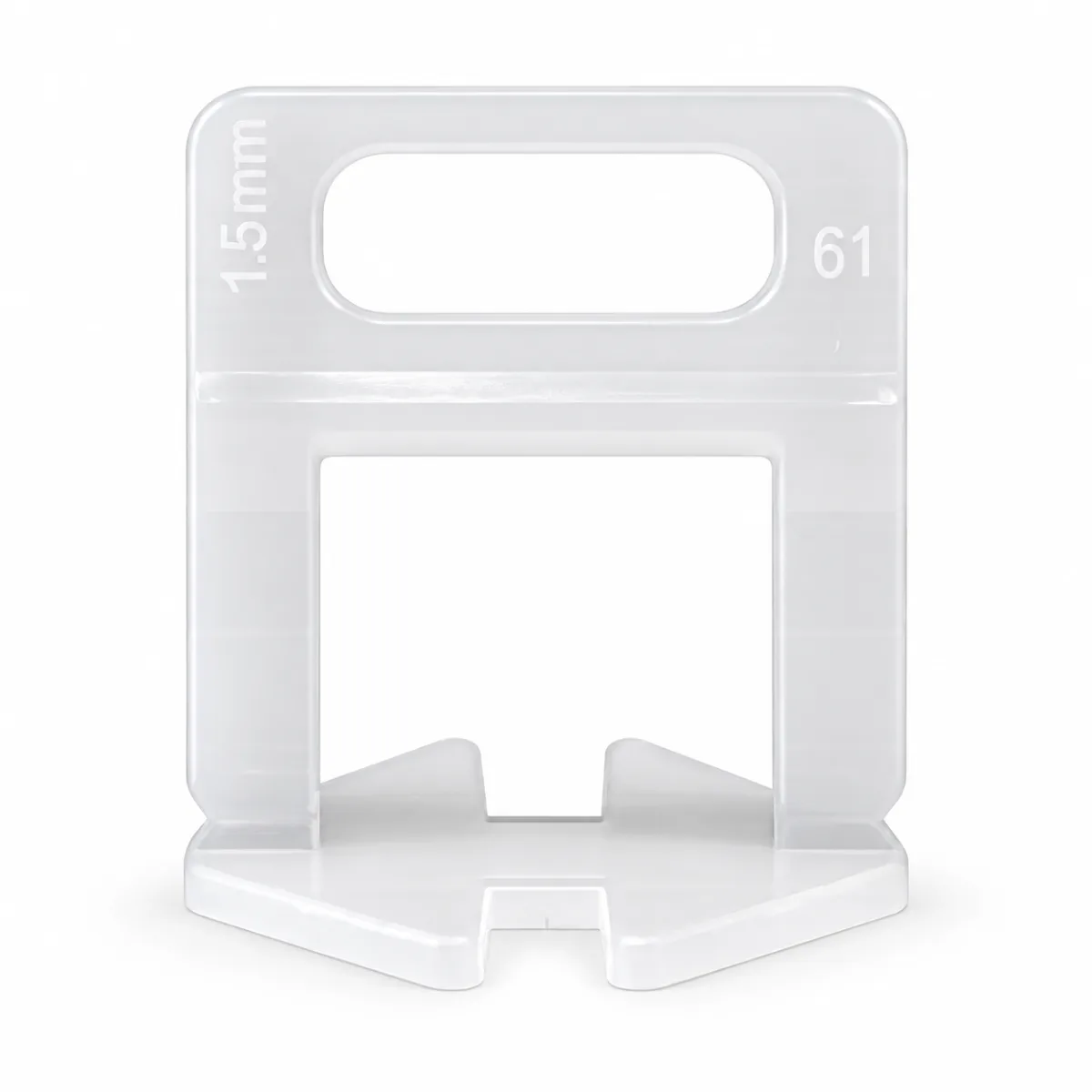
"Wedge spacer" is used for two different parts. A leveling wedge slides through a leveling clip and presses two tile edges down to the same height; it comes back out and is reused. A tapered wedge spacer is a loose plastic wedge you push into a joint to set or fine-tune its width, often on walls, at door frames or where cuts meet. For flat floors you want leveling clips and wedges; tapered spacers are a helper for gaps.
The two kinds of wedge
| Leveling wedge | Tapered wedge spacer | |
|---|---|---|
| Used with | A leveling clip | Nothing; it sits in the joint on its own |
| Job | Pulls neighbouring tile edges flush (stops lippage) | Sets or adjusts the gap width |
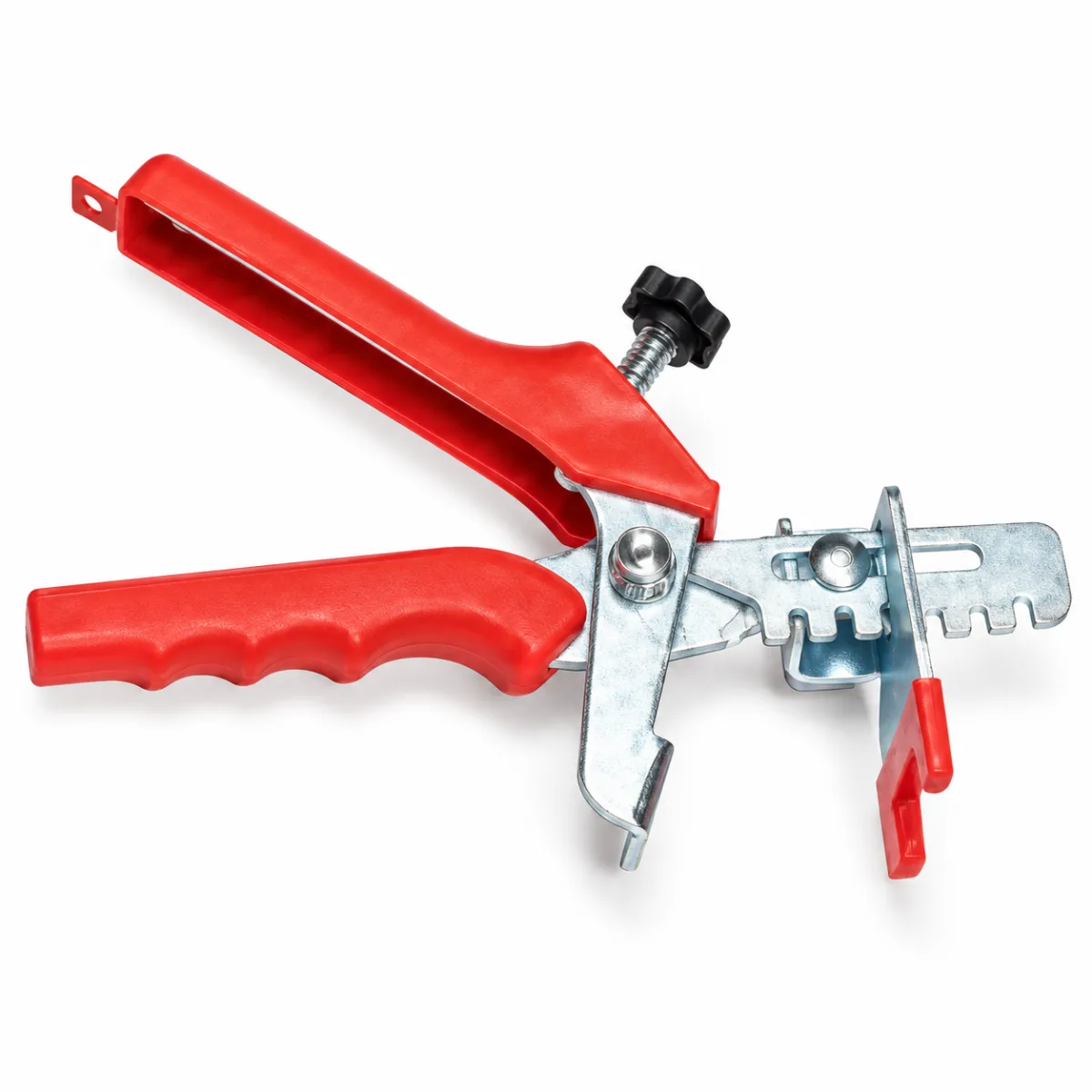
| Tightened | With a leveling plier or by hand | Pushed in further for a wider gap |
| Reusable | Yes, after rinsing | Yes, if pulled before the thinset sets |
Which do you need?
- Floor or wall tile 8" or larger: leveling clips and wedges. They set the gap and keep edges flush.
- Gaps that need adjusting (walls that aren't square, door frames, uneven cuts): tapered wedge spacers help.
- Small tile and mosaics: plain U spacers are usually enough.
Not sure how many wedges? You only need about a day's worth, because they come back out. The reuse guide explains how to count them.
Frequently asked questions
Are leveling wedges and wedge spacers the same thing?
Not quite. Leveling wedges lock into leveling clips to hold tile edges flush. Tapered wedge spacers are loose wedges that set or adjust the joint width.
Do leveling wedges work with any clip?
They need to match the clip's slot. Our Style 2 heavy wedges fit every Clip B width we stock: 1.5, 2.0 and 3.0 mm.
Can I use wedges without clips?
A leveling wedge needs a clip to push against. On its own it can only be used as a tapered spacer.